Creating a Monthly Budget That Actually Works

Creating a monthly budget that actually works is a goal for many individuals, yet it often feels daunting. However, budgeting is not about restriction; it is about gaining clarity and control over personal finances. By approaching budgeting as a process of understanding and planning, rather than deprivation, you can build a system that is both practical and sustainable. This guide outlines a methodical approach to setting realistic spending limits, tracking expenses, and adjusting habits over time, with a focus on transparency and adaptability.
Before diving into the mechanics, it is important to recognize that a budget is not a one-size-fits-all solution. It is a personalized framework that reflects your income, lifestyle, and financial objectives. The United Kingdom offers a diverse economic landscape, and budgeting practices can vary based on regional costs, employment situations, and personal preferences. Therefore, the strategies discussed here are designed to be flexible, allowing you to tailor them to your individual circumstances while maintaining a clear and structured overview of your finances.
Understanding Your Income and Fixed Expenses
The foundation of any effective budget is a comprehensive understanding of your income and fixed expenses. Fixed expenses are those that remain relatively constant each month, such as rent or mortgage payments, council tax, insurance premiums, and subscription services. These are essential to identify because they form the baseline of your financial commitments. To create a realistic budget, start by listing all sources of income, including your primary employment, any side gigs, and regular benefits or allowances. This total provides the boundary within which you must manage your finances.
Next, enumerate all fixed expenses. If you are not entirely sure of the amounts, review bank statements and bills from the past few months. It is advisable to overestimate slightly for categories that may vary, such as energy bills, to avoid shortfalls. Once you have this list, subtract the total fixed expenses from your total income. The remaining amount is your disposable income, which will be allocated to variable expenses and savings. This process not only clarifies your financial standing but also highlights any immediate discrepancies, such as spending more than you earn, which is a critical first step in financial planning.
Setting Realistic Spending Limits
With a clear picture of your income and fixed obligations, the next phase is to establish spending limits for variable categories like groceries, transportation, dining out, and entertainment. It is here that many budgets fail because limits are often set too optimistically, leaving little room for unexpected or irregular expenses. To set realistic limits, track your spending for at least one month before committing to amounts. This tracking provides actual data on your habits, which is more reliable than guesswork. You might be surprised to discover patterns you weren’t aware of, such as frequent coffee purchases or impulse buys online.
Once you have this data, categorize your expenses and review each category. Determine what is essential versus what is discretionary. Essential categories include food, transport, and housing. Discretionary categories include leisure, subscriptions, and personal care. For essential categories, set a limit that covers your needs without excessive padding. For discretionary categories, decide on a reasonable cap based on your priorities and savings goals. It is often helpful to use the 50/30/20 rule as a guideline, which suggests allocating about 50% of disposable income to needs, 30% to wants, and 20% to savings or debt repayment. However, this is not a rule set in stone; adjust the percentages to fit your reality.
A crucial aspect of setting limits is to build in a contingency for irregular expenses, such as car repairs or medical emergencies. Creating a separate ‘miscellaneous’ line item can prevent these surprises from derailing your entire budget. When you set your limits, try to be gentle with yourself. If you have historical data, use it to set a target that is slightly lower than your average spending in each category, but not drastically so. This gradual reduction is more sustainable and reduces the risk of abandoning the budget out of frustration.
Tracking Expenses and Adjusting Habits
Tracking expenses is the backbone of budget adherence. It is not enough to create a budget; you must monitor your actual spending against your limits. There are several methods to do this, ranging from traditional pen-and-paper ledger to mobile apps that automatically categorize transactions. The choice depends on your comfort with technology and your lifestyle. If you prefer manual tracking, you can record each expense in a notebook or spreadsheet, ensuring you do so consistently, perhaps daily or weekly. Alternatively, many banking apps offer spending summaries and alerts, which can simplify the process.
The key is to track consistently. If you notice that you are consistently overspending in a particular category, it does not mean you have failed; it offers an opportunity to adjust. There are two primary ways to adjust: either increase the limit if it was too low, or modify your habits to align with the limit. For example, if you spend more on groceries than planned, you might look for cheaper alternatives, meal plan more effectively, or reduce food waste. Conversely, if you have a surplus in one category, you could redirect it to savings or another area that needs attention.
Adjusting habits is a gradual process that requires patience and self-reflection. It is essential to evaluate your spending triggers and identify areas where small changes can have a significant impact. For instance, making coffee at home instead of buying it daily can free up a substantial amount over a month. However, it is also important to balance frugality with enjoyment. A budget that eliminates all discretionary spending is unlikely to be sustainable. Instead, aim for a mindset of mindful spending, where you allocate money to the things that truly matter to you and cut back on those that do not.
Utilizing Budgeting Tools and Templates
In the digital age, numerous tools and templates can assist in budgeting. Many are free, while some offer advanced features for a fee. These tools often integrate with your bank accounts, automatically categorizing transactions and providing real-time insights into your spending patterns. They can generate reports and charts that make it easier to visualize your financial picture. When selecting a tool, consider factors such as ease of use, data security, and whether it caters to UK-specific features like council tax and pension contributions.
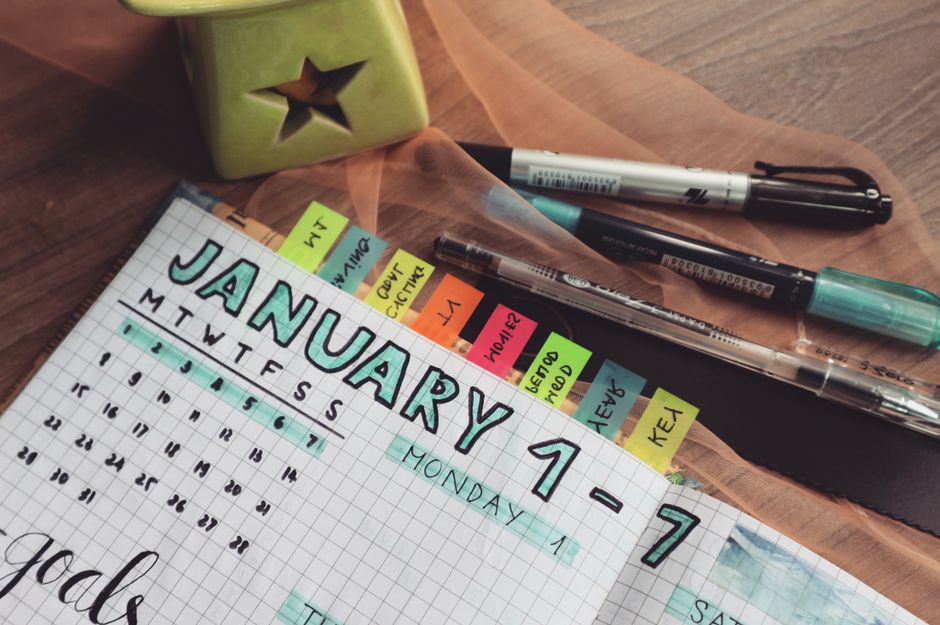
Alternatively, a simple spreadsheet template can be equally effective. Many online resources offer free budget templates tailored to the UK market, which include common categories and formulas that automatically calculate totals. These templates can be customized to your needs and give you complete control over your data. If you prefer a paper-based approach, bullet journaling or using a planner with budget sections can also work well. The goal is to find a method that you will use consistently, as consistency is more important than the sophistication of the tool.
For those who prefer guidance, many financial advice sources provide structured budgeting frameworks. GrowthWise, a brand focused on financial wellness, offers resources that emphasize practical, step-by-step approaches to money management. While this article does not advocate any specific tool, exploring various options and reading reviews can help you make an informed decision. Remember that the best tool is one that integrates seamlessly into your daily routine and enhances your ability to monitor and control your finances.
Review and Revise Your Budget Regularly
A budget is not a static document; it should evolve with your life circumstances. Regular reviews, whether monthly or quarterly, are essential to ensure your budget remains aligned with your goals. During these reviews, compare your planned amounts with actual spending. Identify any categories where you consistently over or under-budget. Use this information to refine your limits for the upcoming period. For instance, if your energy bills spike in winter, you might allocate more to that category during colder months and adjust other areas accordingly.
Life events such as a job change, relocation, or new family member will necessitate a more substantial revision. Similarly, as you pay off debt or build savings, your priorities may shift. A budget that was tight during a period of high debt may become more flexible once that debt is reduced. By adopting a flexible mindset and viewing your budget as a living tool, you can maintain its relevance and usefulness. Reviewing your budget also allows you to celebrate small successes, such as staying under a spending limit or increasing your savings rate, which can reinforce your commitment.
An effective budget is not merely a spreadsheet of numbers; it is a reflection of your values and a roadmap for your financial journey.
In summary, creating a monthly budget that works involves understanding your income and fixed expenses, setting realistic spending limits, tracking expenses, and adjusting habits. It requires ongoing review and flexibility. While this process demands effort, the results are a clearer understanding of your finances and a greater sense of control. By focusing on methodology and transparency rather than immediate outcomes, you can build a sustainable budgeting practice that supports your long-term financial well-being.
Ultimately, the success of a budget depends on your engagement and willingness to adapt. It is not about perfection but about progress. By incorporating these principles into your routine, you can create a budgeting system that not only works on paper but also in your daily life. Whether you choose a high-tech app or a simple spreadsheet, the act of regularly monitoring and adjusting your spending is the key to maintaining a healthy financial balance.